
Wagon Plates and Markings Decal Type Selection
GWR Markings
This page shows the range of wagon solebar plate or marking decals available in this group. To use it to select a paricular decal type, please click on the button below the relevant illustration. This will take you back to the main wagon plates and markings decals page while setting the decal type to that of the illustration you have selected. There you will be able to make changes to the basic plate or marking decal you've selected here.
| Return to main page without making a selection |
Note: Clicking on any of the images on this page will cause a larger version of the image to appear in a new tab or window of your browser (depending on how your browser is set up). | |||
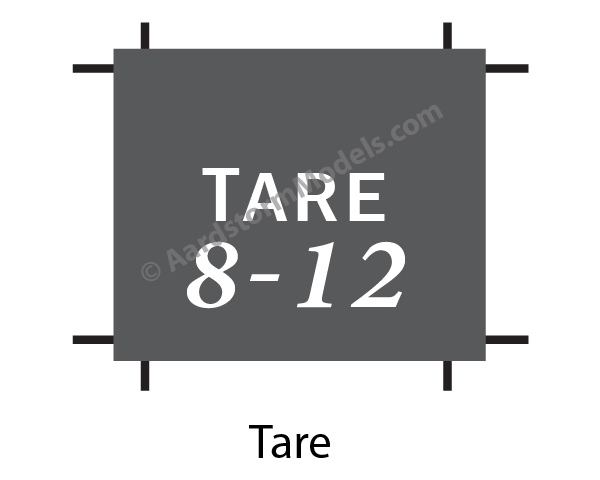
GWR Mark |
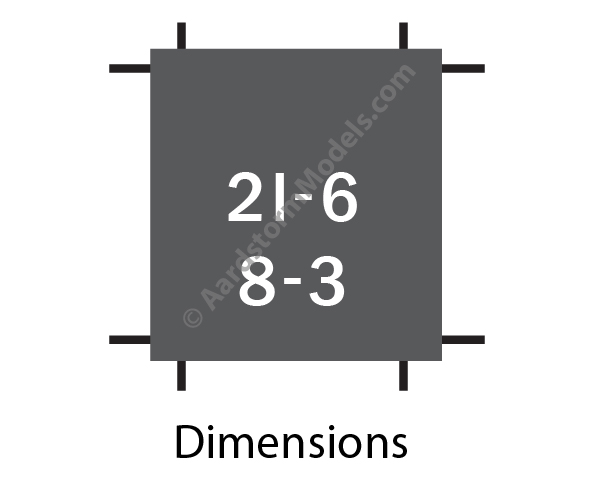
GWR Mark |
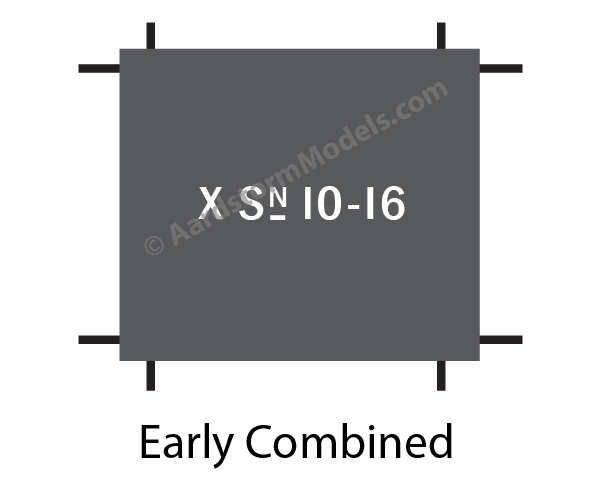
GWR Mark |
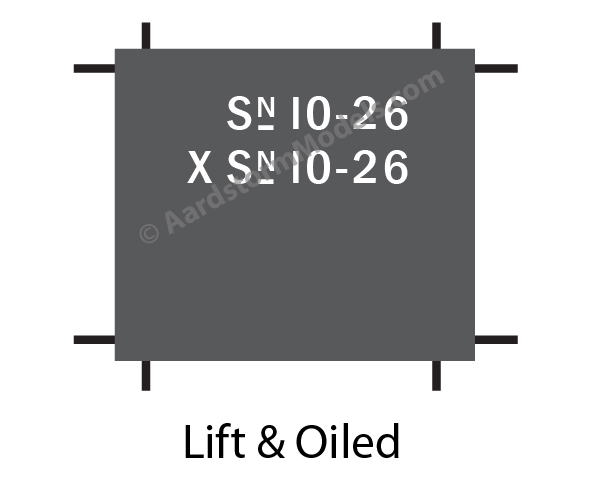
GWR Mark |
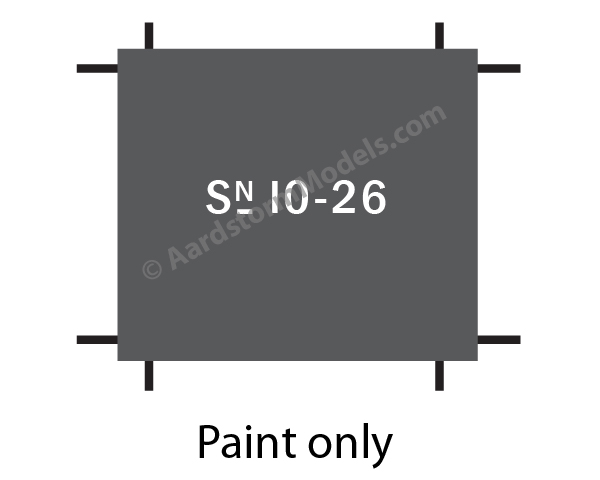
GWR Mark |
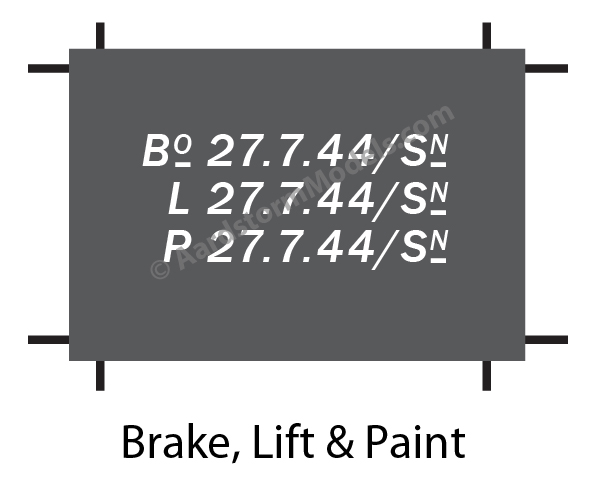
GWR Mark |
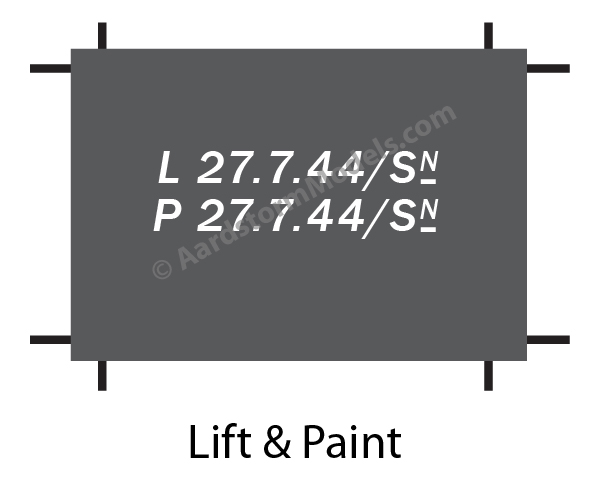
GWR Mark |
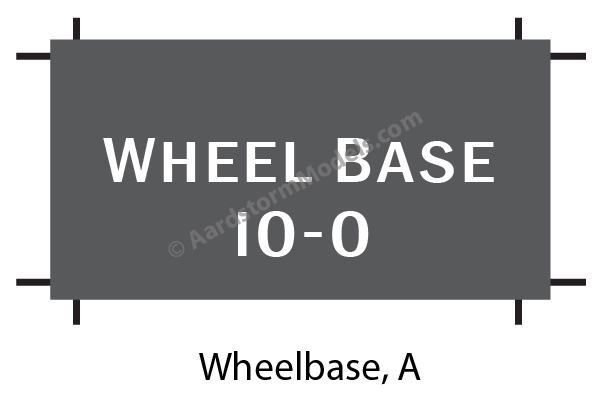
GWR Mark |
GWR Mark |
GWR Mark |
GWR Mark |
GWR Mark |
GWR Mark |
|||
Note: Clicking on any of the images on this page, such as those above, will cause a larger version of the image to appear in a new tab or window of your browser (depending on how your browser is set up). | |||
Notes
By about 1898, the standard colour adopted for wagons was dark grey with white lettering. The grey colour extended onto the solebars and all below. The were, however, some exceptions:
- The MICA refrigerated meat vans were white with red lettering.
- Water tank wagons were also white, but with black lettering.
- Tank wagons for creosote and some loco and engineering department wagons were black.
- Wagons that often travelled in passenger trains were brown with yellow ochre lettering.
In all of these exceptional cases, the solebars and all below were black.
Before 1904, most wagon lettering was in the form of cast plates. Then the familiar large (25 in.) "G W" painted lettering was adopted, and most wagon markings (other than a cast numberplate) were painted on.
The standard position for tare weight was on the body side, towards the lower right-hand corner. By the late 1920s it also appeared on the solebars of some wagons, in addition to the body-side marking.
By the late 1920s too, the extreme dimensions of the wagon (length and width) was also marked on the solebars of some wagons.
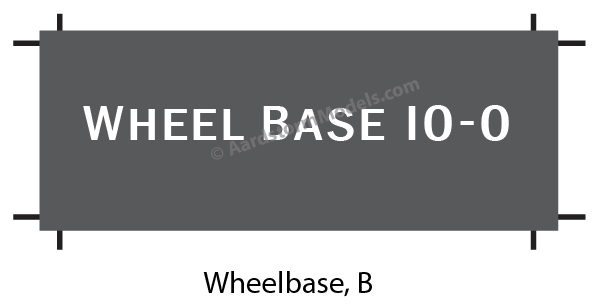
Some wagons were marked with their wheelbase dimension on the solebars. The extreme dimension, tare weight and wheelbase markings, when present, often appeared together. With the introduction of the smaller body lettering style around 1936, the wheelbase marking at least moved to the lower right-hand corner of the body side, along with the new "XP" marking.
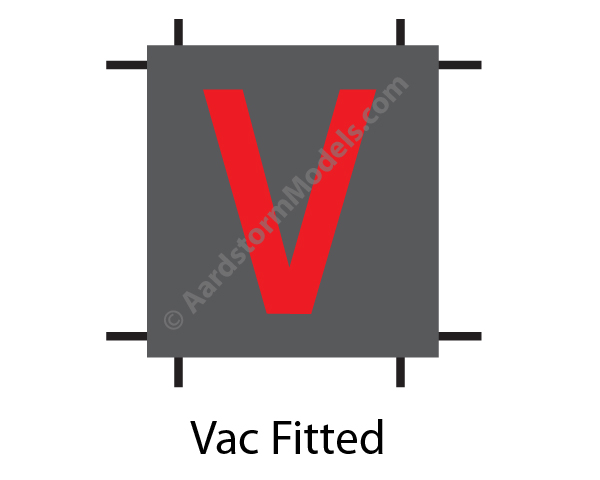
Wagons fitted with vacuum brakes caried a large red "V" on the solebars, near the number plate.
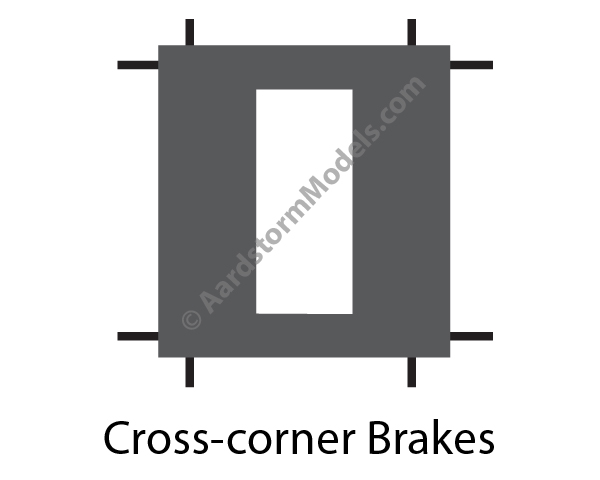
Wagons fitted with cross-cornered (DC III) brakes carried a white stripe in the centre of the solebar.
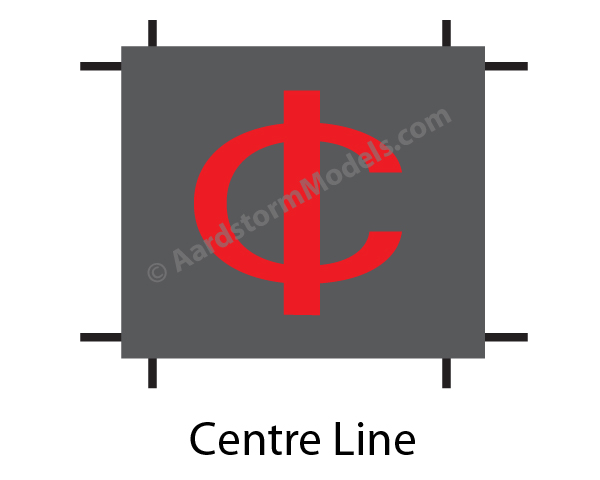
Long bogie wagons carried a red "C" with vertical line to indicate the centreline of the wagon and aid loading.
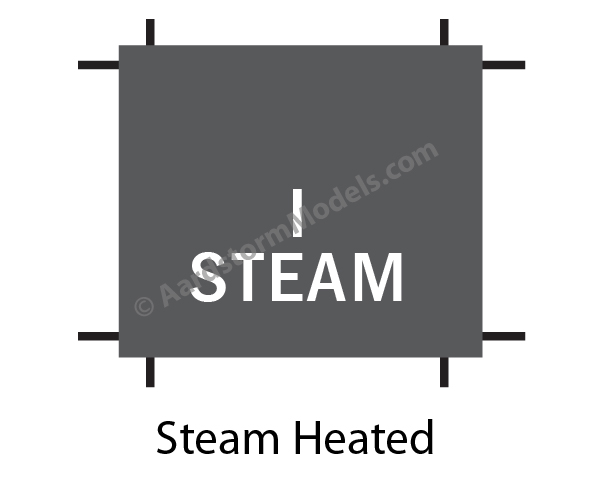
Wagons fitted with steam heating (e.g. banana vans) were marked with "STEAM" towards the right-hand end of the solebars. An "I" above it indicated that the steam pipe was fitted with a fireproof covering.
The format and position of maintenace information, such as paint and lifting dates, varied over the years. Initially one date served for both paint and lift dates, e.g. SN d/m/yy or SN-d-m-yy, located at the right-hand end of the solebar. The SN or SN indicates where the work was done, in this case Swindon. What other works and corresponding abbreviations there were is not known; if anyone has authoritative information I'll gladly publish it here, please contact me with details. For wagons fitted with oil axleboxes, this mark was prefixed with "X"
When the 25 in. lettering was introduced, a separate paint date was positioned just below the "G", this time with just month and year indicated. The place could be positioned after the date, indicating two coats of paint. With the introduction of 16 in. lettering around 1922, the paint date was moved to the left end of the curb rail, below the running number. In 1925 it was moved again, to the top of the second plank up on the ends, on the right between stanchion and edge of the side.
During WW II, the format of the maintenance dates changed again, paint and lift dates being gouped together towards the left-hand end of the solebar, and joined by the BO test date if appropriate.
| Return to main page without making a selection |